Property Dispute Lawyer in Kadapa
Title disputes, encroachment, possession, and partition matters handled with careful document review and a realistic view of how long each type of case actually takes.
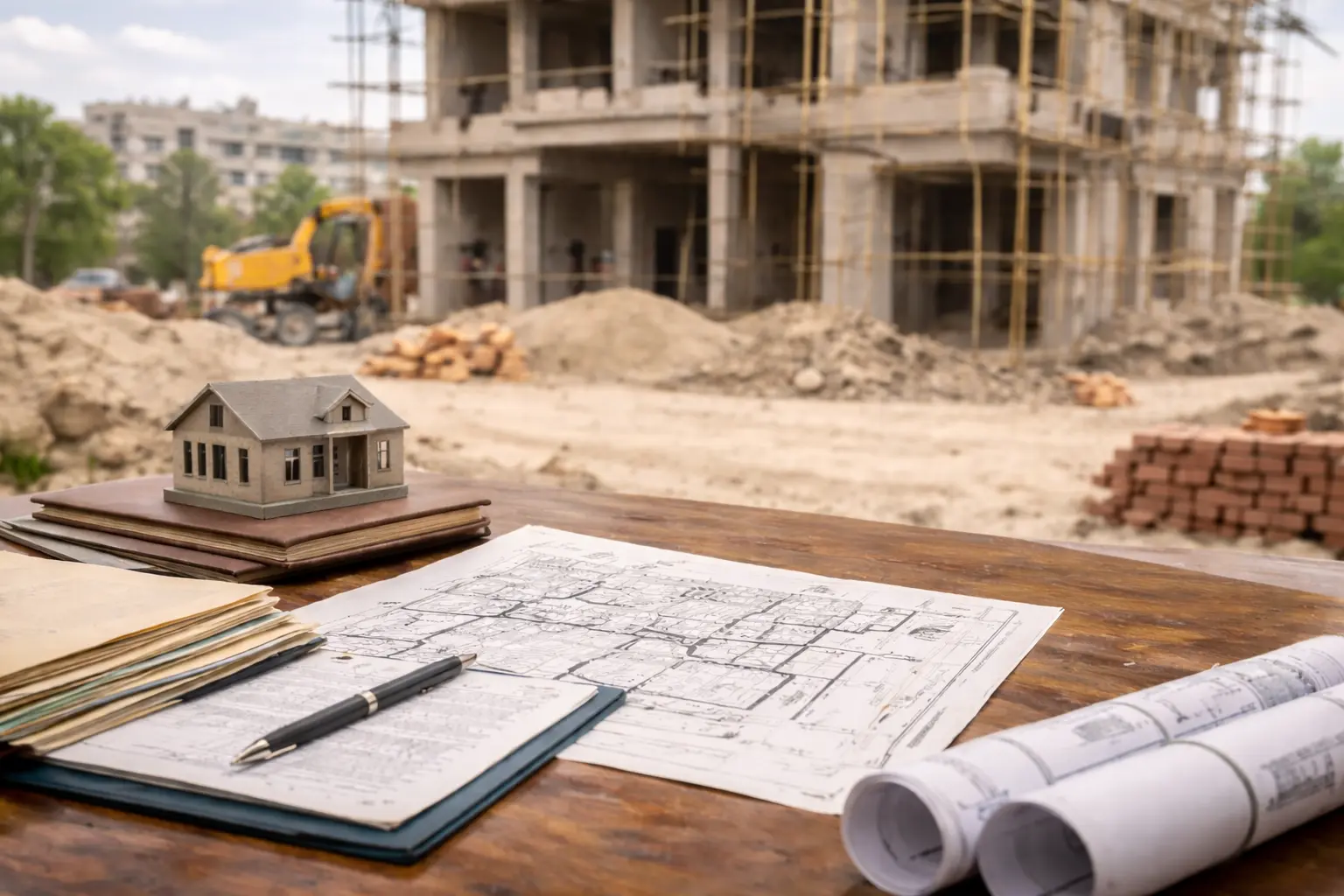
What actually happens after the first meeting
The first step is always the same regardless of the type of property dispute: a document review. Title deeds, encumbrance certificates, tax receipts, pahani or RTC extracts, and any notices already exchanged are examined to understand who actually holds legal title, whether there are competing claims on record, and how strong the position is before deciding on a strategy.
If the matter is urgent — an ongoing encroachment, a threatened sale, or possession at risk — an application for interim relief (a temporary injunction or status quo order) is usually the first filing, often within days of the review, because courts can grant this kind of protection quickly when the facts and documents support it. The full suit — for declaration of title, possession, or partition — is drafted and filed alongside or shortly after.
From there, the other side is served, written statements are exchanged, and the case moves into evidence: document exhibits, witness statements, and cross-examination. This is the stage that takes the longest, and where realistic timelines matter most — cases are not won faster by rushing evidence preparation.
Realistic timelines
An interim injunction application, if the facts are clear and documents are in order, can be heard and decided within two to six weeks. The underlying suit is a different matter — an uncontested or simple title dispute might reach a decree within a year to eighteen months, while a genuinely contested case involving multiple parties, disputed documents, or a partition among several family members can run two to three years or longer, particularly if either side appeals an interim order along the way. These figures vary by case, and are given here to set expectations rather than as a promise for any specific matter.
Documents that make the biggest difference
Sale deeds, gift deeds, and encumbrance certificates establish the chain of ownership. Pahani and RTC (Record of Tenancy and Crops) extracts show what the revenue records currently say — which sometimes differs from what the title documents say, and resolving that gap early avoids surprises later. Survey sketches and boundary records matter heavily in encroachment cases. Any notices, replies, or prior court orders connected to the dispute should be brought even if they seem minor, since they often establish a timeline that matters later.
Mistakes that weaken a property case
The most common and costly mistake is delay — waiting months or years after noticing an encroachment or a disputed transaction before taking legal steps. A second frequent mistake is acting on a property without updating revenue records, so pahani or RTC entries fall out of step with the actual title, creating an opening for a rival claim. A third is entering into a private settlement or compromise without documenting it properly — an undocumented verbal agreement between family members is difficult to enforce if a dispute resurfaces later. Finally, some clients gather only partial documentation before the first consultation, which slows down the initial assessment; bringing everything available, even documents that seem irrelevant, helps build an accurate picture from the start.
Where the case is filed
Depending on the claim value and where the property is located, a property suit is filed either at Kadapa District Court or at the junior civil judge court with jurisdiction over that mandal — for example, Pulivendula, Jammalamadugu, or Badvel Court for property within those areas. This is confirmed at the outset so the case is filed correctly the first time.
Dealing with a property or land dispute? Call 9346362201 or visit the office at Beside District Court, Near Nagarjuna Model School, Sarajupeta, Kadapa - 516001, Andhra Pradesh.
FAQ
How long does a property title dispute usually take to resolve?
A straightforward injunction application can bring interim relief within weeks. The underlying title suit itself, if contested, commonly runs one to three years depending on how many parties are involved and whether the other side contests every stage.
What is the single biggest mistake people make in property disputes?
Waiting too long to act after noticing an encroachment or a disputed sale. Delay can weaken a claim for interim relief, and in some situations, prolonged inaction can be used against the person who stayed silent.
Do I need the original title deed, or is a certified copy enough?
The original is preferred wherever possible, since courts and the Sub-Registrar's office give it more weight. If the original is lost, a certified copy along with a police complaint and a public notice about the loss is the usual substitute route.
Can a property dispute be settled without going to trial?
Yes, and it happens often — particularly in disputes between family members or neighbours where an interim order changes the incentive to negotiate. Settlement is explored where it serves the client, without giving up the option to proceed to trial if it doesn't.
Which court hears property disputes in Kadapa?
Civil suits over property are filed at Kadapa District Court for matters within its pecuniary jurisdiction, or at the relevant junior civil judge court for the mandal where the property is located, depending on the claim value and location.