Cheque Bounce Lawyer in Kadapa
Section 138 complaints handled with close attention to statutory deadlines — the deadlines are where most of these cases are won or lost before they ever reach trial.
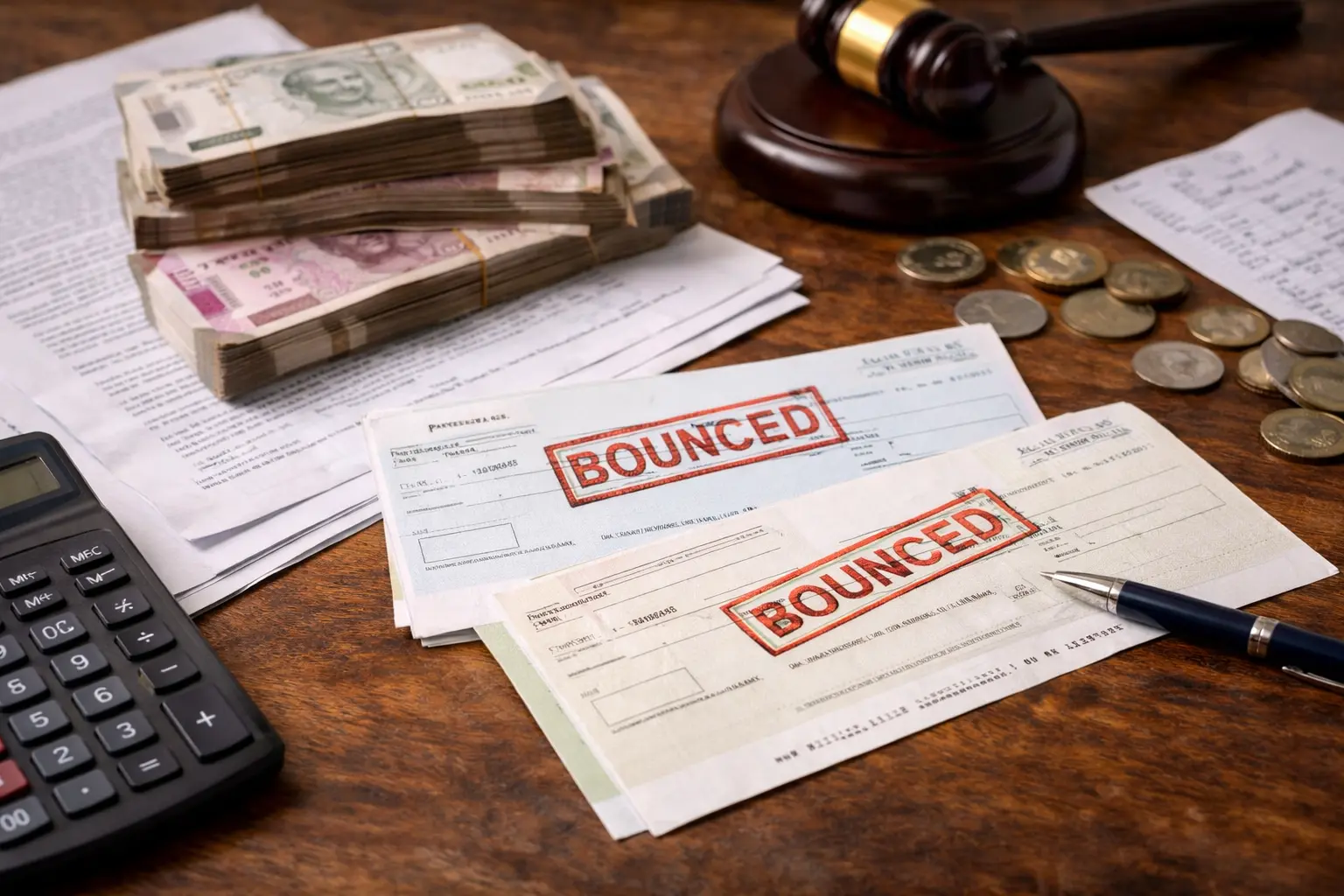
The three deadlines that decide a Section 138 case
A cheque bounce case under Section 138 of the Negotiable Instruments Act runs on a strict sequence of deadlines, and missing any one of them can be fatal to an otherwise strong case. First, the legal notice demanding payment must be sent to the drawer within 30 days of receiving the bank's cheque return memo. Second, the drawer has 15 days from receiving that notice to make payment. Third, if payment isn't made, the criminal complaint must be filed within 30 days after that 15-day period expires — not 30 days from the notice, but 30 days from when the payment window closed. Getting this sequence wrong, even by a few days, is the single most common reason a valid claim runs into trouble.
What happens after the complaint is filed
Once filed, the magistrate examines whether there is enough on record to proceed and issues summons to the accused. The accused then appears and can seek bail, after which the case moves into evidence — presenting the cheque, the bank memos, the notice, and proof it was delivered, followed by the accused's opportunity to respond and raise defenses. Common defenses include disputing that the cheque was ever meant as payment, claiming it was lost or stolen, or challenging whether the notice was properly served. Because the law starts with a presumption in favour of the cheque holder once the basic facts are shown, the accused generally carries the burden of rebutting that presumption with evidence.
Realistic timelines
From dishonour to a filed complaint, if the notice and filing deadlines are met promptly, the process typically takes six to ten weeks. From there, a case that proceeds to full trial commonly takes one to two years to reach judgment, depending on how contested it is and court scheduling. Many cases settle before reaching that point — Section 138 complaints are compoundable, meaning the parties can agree to close the matter at almost any stage once payment or a settlement is reached.
Documents needed from day one
The original cheque and the bank's return memo showing the reason for dishonour (insufficient funds, signature mismatch, or similar) are the foundation of the case. Alongside these: proof the legal notice was sent and delivered (postal receipt and delivery acknowledgment, or courier proof), a copy of the notice itself, and any account statements, invoices, or agreements that establish what the cheque was meant to pay for. This last part matters more than people expect — a bare cheque with no supporting transaction record is a weaker case than one backed by an invoice, loan agreement, or clear correspondence.
Mistakes that get cases dismissed or weakened
Missing the 30-day notice deadline is the most common and often unrecoverable mistake. A close second is sending the notice to an outdated or incorrect address and failing to keep proof of delivery — if service can't be shown, the complaint can be challenged on that basis alone. Some complainants also file before the drawer's 15-day payment window has actually expired, which is premature and can result in the complaint being rejected as filed too early. Keeping every receipt, postal record, and communication from the very first bounced cheque avoids all three of these problems.
Has a cheque bounced on you? Call 9346362201 or visit the office at Beside District Court, Near Nagarjuna Model School, Sarajupeta, Kadapa - 516001, Andhra Pradesh. The 30-day notice deadline starts from the date of the bank memo, so earlier contact gives more room to act.
FAQ
What is the deadline for sending the legal notice after a cheque bounces?
The notice demanding payment must be sent within 30 days of receiving the bank's dishonour memo. Missing this window is one of the most common reasons a otherwise valid Section 138 case runs into difficulty.
How long after the notice can the complaint be filed?
If the drawer doesn't pay within 15 days of receiving the notice, a criminal complaint can be filed — but it must be filed within 30 days after that 15-day period ends. Missing this second deadline can bar the complaint entirely unless a delay condonation is granted.
Can the case be settled after the complaint is filed?
Yes. Section 138 cases are compoundable, meaning the parties can settle at almost any stage, including after the complaint is filed and even during trial, and the case can be closed on those terms.
What happens if the drawer claims the cheque was stolen or given as security, not payment?
These are common defenses, and the case becomes more contested when raised. The presumption under the law initially favours the cheque holder, but the drawer can present evidence to rebut it, which is why documentation around the original transaction matters.
How long does a Section 138 case usually take to conclude?
Contested cases commonly take one to two years from filing to judgment, depending on court schedules and whether the accused contests every hearing. Cases that settle early can close in a matter of months.